


Business intelligence tools like Microsoft’s Power BI are a good option for creating spend cube reports because of their data integration and visualization capabilities. Power BI allows you to model relationships between spending dimensions like suppliers, cost centers, and commodities with drag-and-drop functionality. In addition, its DAX functions support detailed and customized calculations you may need for spend analysis. Procure-to-pay platforms and ERP systems with built-in spend analysis modules offer the advantage of integration with core business functions. Because these tools are connected directly to procurement, finance, and accounts payable processes, they ensure a seamless data flow.
- It typically includes examining invoices, purchase orders, and supplier contracts.
- A spend analysis consultant is an external expert who helps businesses review their procurement data, identify cost-saving opportunities, and improve sourcing strategies.
- Predictive analytics moves us from simply looking backward to actually seeing into the future.
- Finance team members and department managers who will use the system daily should test the interface and workflows.
- This visibility opens the door to vendor consolidation and bulk purchasing opportunities, directly contributing to cost savings and operational efficiency.
The Importance of Data Governance in Spend Analysis

Automated spend analysis compiles data Bookkeeping 101 from various sources into user-friendly dashboards, providing real-time insights. The consolidation phase of spend analysis involves a deeper dive into data cleansing to create high-quality datasets. This process ensures that data fields are in the same format, incomplete or erroneous data are identified and corrected, and duplicate entries are removed or excluded.
Which spend taxonomies can I use with GEP SMART’s spend analysis tool?
His work focuses on helping businesses unlock value through data-driven procurement strategies and advanced spend analysis enabled by AI agents. Specialized procurement analytics providers, such as automated spend analysis Sievo, continually innovate and collaborate with industry-leading procurement teams and third-party data providers to enhance their procurement analysis capabilities. BI tools typically lack the same level of focus or investment in procurement R&D, which can limit their effectiveness in advanced spend analytics. Excel remains a widely used tool for conducting spend analysis in many organizations. Its accessibility and familiarity make it a go-to choice for analyzing spend data.
Cons of Using Excel for Spend Analysis
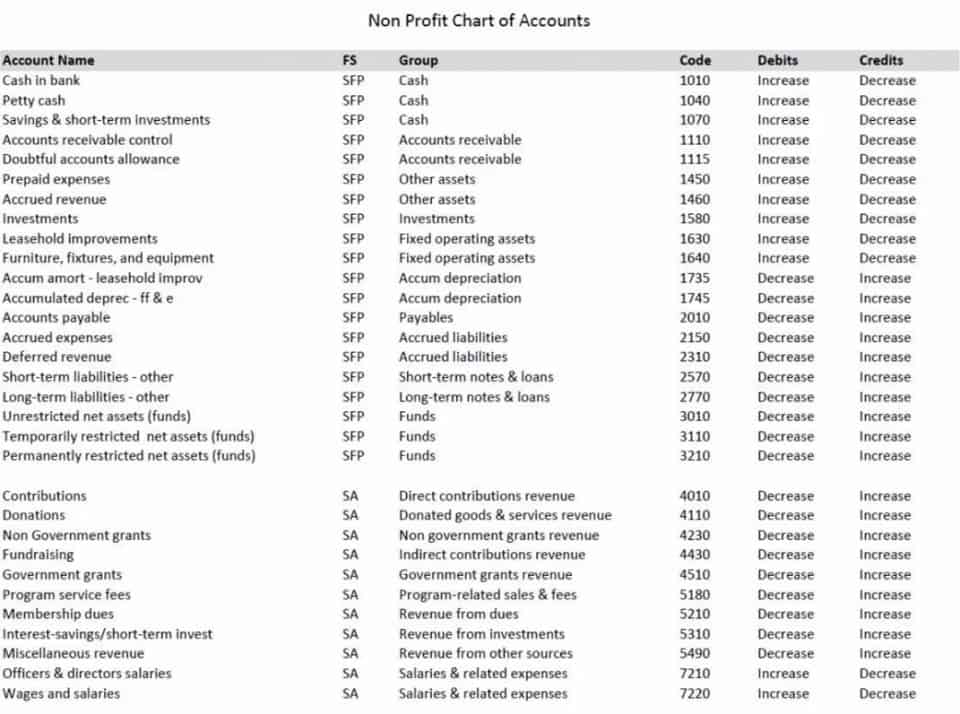
Data cleansing typically consumes 30-40% of the effort in traditional spend analysis projects. Modern AI-powered tools automate much of this work but still require human oversight for complex decisions. In practice, this means connecting to multiple data sources that may use different formats, currencies, and naming conventions. This guide covers how procurement data can be extracted, refined, and analyzed for actionable insights and value.
- By effectively leveraging these tools, organizations can achieve greater transparency, efficiency, and cost savings, ultimately driving more informed business decisions.
- AI-driven spend management software evaluates supplier performance, assesses potential risks, and provides recommendations for supplier diversification.
- Leverage spend analysis tools and metrics to analyse your data based on your goals.
- Excel allows users to create customized reports and visualizations, offering a degree of control over how data is presented.
- This ensures that procurement decisions are based on the latest transactions, approvals, and supplier updates.
- Scalability is often an overlooked consideration in spend analysis implementation.
It streamlines data collection, provides real-time insights, and highlights areas of redundancy, improving procurement efficiency. Imagine AI procurement income summary agents that do more than detect overcharges—they can also launch workflows to dispute them, escalate if no resolution is reached, and even update contract terms automatically. This automation could drastically reduce the time you spend on day-to-day procurement tasks. Suplari’s timeline offers a real-world illustration of how AI can revolutionize spend analysis. The more data you feed the model—and the more varied those examples—the better it becomes at classifying new records.

Machine Learning in Finance: What Is It, How It Works, and the Best Use Cases
This analysis gives the ability to know whether a specific item is being purchased from various suppliers or in several locations and at different item prices. It can highlight the different opportunities for purchasing in the business. You may also identify spend leakage issues, such as purchasing from non-preferred vendors and maverick spend. Independent research has shown that organizations leveraging advanced procurement analytics have achieved up to a 63x return on investment, driven by both direct savings and internal efficiency gains.
